Community
2 dead in Brooklyn building collapse
By Katherine Langford
Advertisement · Why this ad?
Katherine oversees editorial operations across all six brands. Before joining The Meridan Group, she spent 14 years at the Minneapolis Star Tribune, where she led the metro desk through its digital transformation. She holds a Master's in Journalism from Northwestern's Medill School.
More from Katherine →
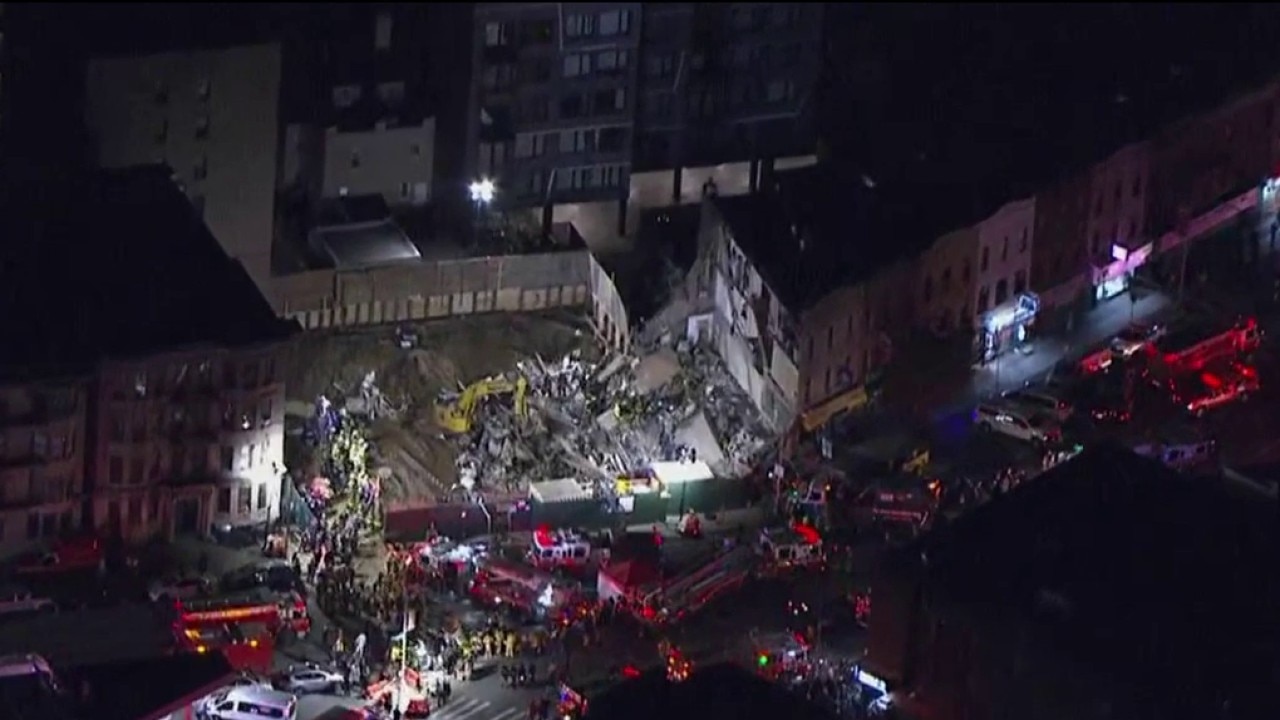
The sudden and tragic collapse of a 96-year-old commercial building at 1321 Flatbush Avenue in Brooklyn, New York, has left a community reeling, claiming the lives of at least six people and injuring at least 19 others. The incident, which occurred Wednesday night, has prompted a thorough investigation into the circumstances surrounding the collapse and the ongoing construction work taking place adjacent to the structure. City records show demolition and construction work had been going on for months next to the building. Images from Google Maps reveal a stark contrast: where a neighboring building once stood, now lies a construction site filled with rubble, a visual testament to the scale of the devastation and raising serious questions about construction safety practices in densely populated urban areas.
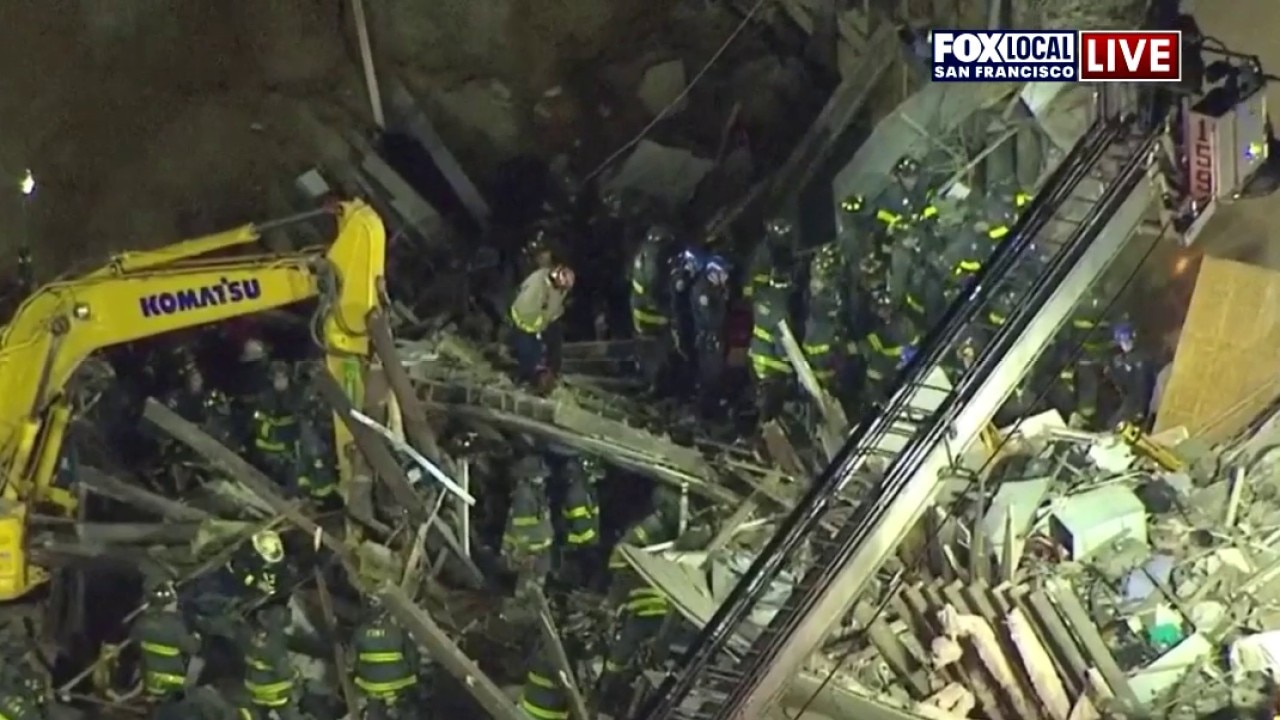
The collapse occurred at a time when demolition and construction work had been underway for months at a site next to the affected building. According to city records, the adjacent site was slated to become a mixed-use building featuring retail space, medical services, and residential apartments. The New York City Fire Department responded to the scene and initiated rescue efforts, working to free individuals trapped in the debris. While WABC, a sister station of ABC 7 Bay Area, found no building violations for the collapsed structure itself, the incident has understandably triggered scrutiny of construction practices and regulatory oversight. One person has died and several people are trapped after a partial building collapse in New York City Wednesday afternoon. The New York City Fire Department confirmed crews were at the scene on Flatbush Avenue in Brooklyn and were working to rescue more people.
Construction safety expert Glenn Corbett of John Jay College, while not involved in the official investigation, emphasized the inherent risks associated with excavating near older buildings. “When you go and dig next to these kind of buildings, there's always an issue of stability,” he stated. He highlighted the importance of retaining walls and shores—structures commonly used to support the perimeter of construction pits—and questioned whether they were properly constructed. “What was it not built correctly with the size of the members, the wood panels not large enough was the... if there was steel involved, which I believe there was, was that not, was that not up to speed as far as what's required?” Corbett asked. The contractor who received a summons in April regarding work at the adjacent site confirmed that his company had performed demolition work but had left the site by late April or early May, claiming no knowledge of any existing issues with the shores. WABC called the number listed for the contractor who received the summons in April.
Department of Buildings records indicate one summons was issued in April for the construction site along Bedford Avenue, related to a violation of a stop-work order that was later resolved. This detail underscores the complexities of urban development and the potential for regulatory oversights when multiple construction projects are underway simultaneously. The investigation is ongoing, and officials are seeking to determine the precise sequence of events that led to the catastrophic collapse. The New York City Department of Buildings is responsible for enforcing building codes and ensuring structural safety, and this incident will undoubtedly lead to a review of those procedures.
The collapse has understandably shaken the Brooklyn community, leaving residents fearful and questioning the safety of their surroundings. The loss of life and the injuries sustained are a profound tragedy, particularly for families and neighbors directly impacted by the disaster. Police are advising residents to avoid the area, and commuters are experiencing traffic delays due to street closures. The incident serves as a stark reminder of the risks inherent in urban environments, especially when construction activity encroaches on older, potentially vulnerable structures. The sense of security that residents often take for granted has been shattered, replaced by anxiety and a desire for answers.
The focus now is on determining the cause of the collapse and holding those responsible accountable. The questions surrounding the stability of the adjacent construction site and the adequacy of safety measures are paramount. Families are grieving, and the community is demanding transparency and a commitment to preventing similar tragedies in the future. The incident highlights the importance of robust building codes, diligent oversight, and a culture of safety within the construction industry. New York City Fire Department played a critical role in the rescue efforts, and their expertise will be invaluable in the ongoing investigation.
The investigation into the cause of the collapse will be extensive, involving engineers, structural experts, and regulatory officials. The focus will be on examining the construction practices at the adjacent site, assessing the stability of the surrounding structures, and reviewing the compliance with building codes and safety regulations. City leaders have pledged to determine why the collapse occurred and whether changes to regulations are necessary to prevent future incidents. This includes a comprehensive review of the April summons issued to the contractor and a thorough assessment of the shores used to support the excavation. “They’ve got to find out why did that happen? And do we need to change the rules?” Corbett said.
The incident also underscores the importance of maintaining strong families and communities, particularly during times of crisis. The resilience and compassion displayed by neighbors and first responders demonstrate the enduring strength of the human spirit. The American dream, built on the promise of safety and stability, is threatened when tragedies like this occur, and it is incumbent upon us to learn from this experience and work towards a safer future for all. The Brooklyn Chamber of Commerce will likely play a role in the community's recovery efforts, supporting local businesses and residents affected by the collapse.
This tragedy in Brooklyn is a sobering reminder that progress cannot come at the expense of safety. While development and growth are vital to a thriving city, it's imperative that we prioritize the well-being of those who already call that city home. The questions surrounding the construction practices next to the collapsed building—the stability of the shores, the adherence to building codes—are not merely technical; they are moral. They speak to our responsibility to protect the most vulnerable members of our community.
It’s easy, in a world that often prioritizes speed and cost-cutting, to overlook the foundational elements that ensure safety and stability. This incident should prompt a deep and honest examination of how we balance development with the preservation of lives. The loss of life is a devastating price to pay for shortcuts or negligence. We must also remember the importance of strong families—the bedrock of any resilient community—and the stability they provide in times of crisis.
For those seeking information or assistance related to the Brooklyn building collapse, the following resources are available: NYC Recovery provides resources and support for New Yorkers affected by emergencies. American Red Cross of New York City offers disaster relief services, including shelter, food, and emotional support. The New York City Police Department is managing the investigation and providing updates to the public. NY1 News is providing ongoing coverage of the incident and its aftermath.
The collapse in Brooklyn serves as a stark reminder of the importance of vigilance, accountability, and a commitment to building a safer and more resilient community for all. It is a time for reflection, healing, and a renewed dedication to the principles that underpin a thriving and secure society.
By Katherine Langford
By Katherine Langford
By Marcus Chen

By Katherine Langford